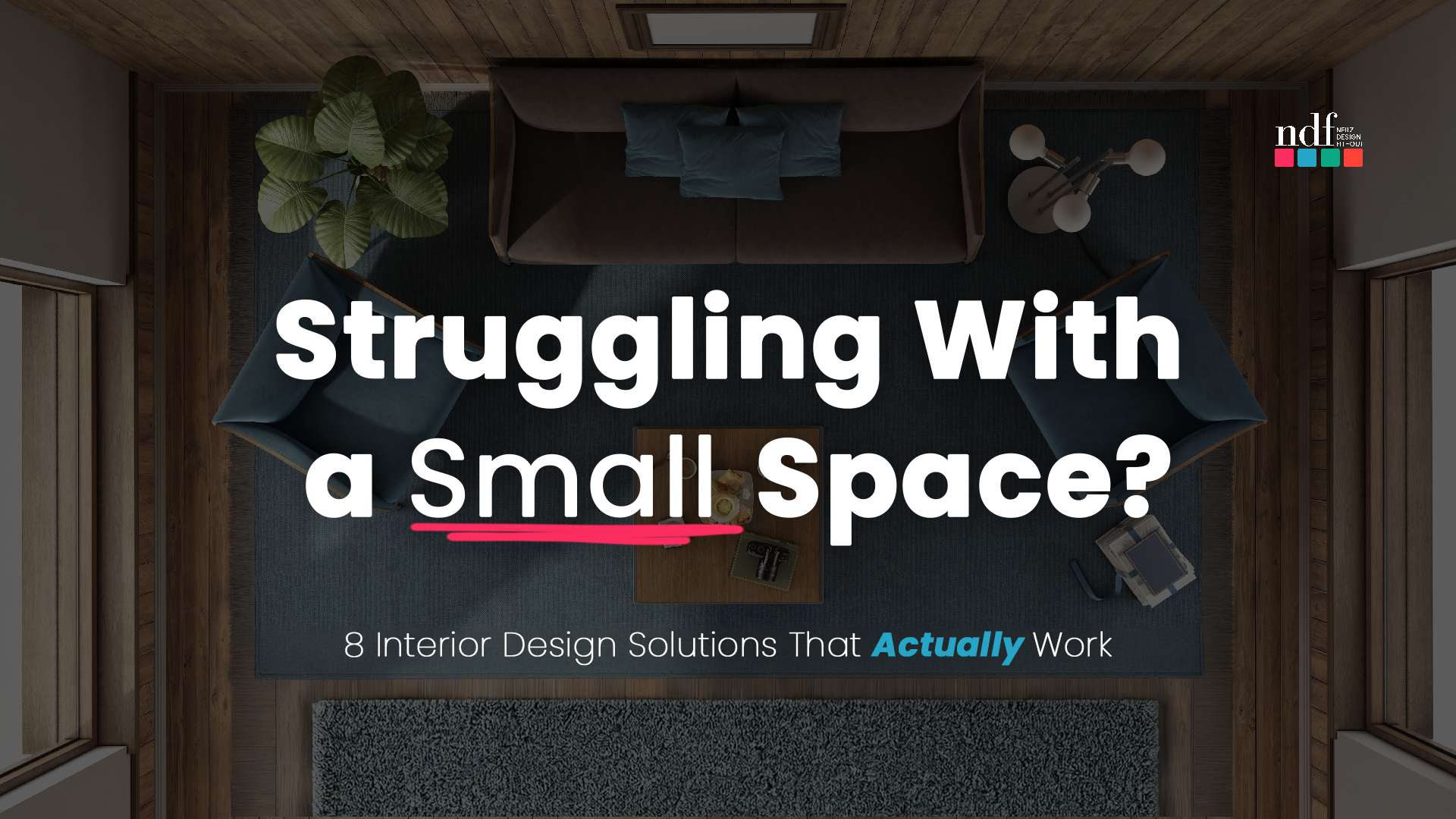
Struggling With a Small Space? 8 Interior Design Solutions That Actually Work

Small spaces don’t fail because they are small. They fail because they are unresolved.

Imagine a home where every corner earns its place.  Where clutter feels almost… impossible.
Where a compact floor plan doesn’t feel tight but intentional through interior design solutions that actually work.

That’s the difference between fitting into a space and designing it properly. For many, small spaces are defined by limitation. 

At Neilz Design Fit-Out, we see something else entirely – PRECISION. After years of transforming compact residential and commercial spaces, we’ve come to understand what truly makes them work. Not tricks. Not trends. But what we call Invisible Architecture, the design decisions that quietly improve how a space feels, moves, and performs.

Here’s how we turn constraints into clarity.

8 Interior Design Solutions That Actually Work

1. Engineering the Flow, Not Just the Furniture

Most people start by asking, “What sofa fits here?”

We start by asking: how should this space move even small spaces?

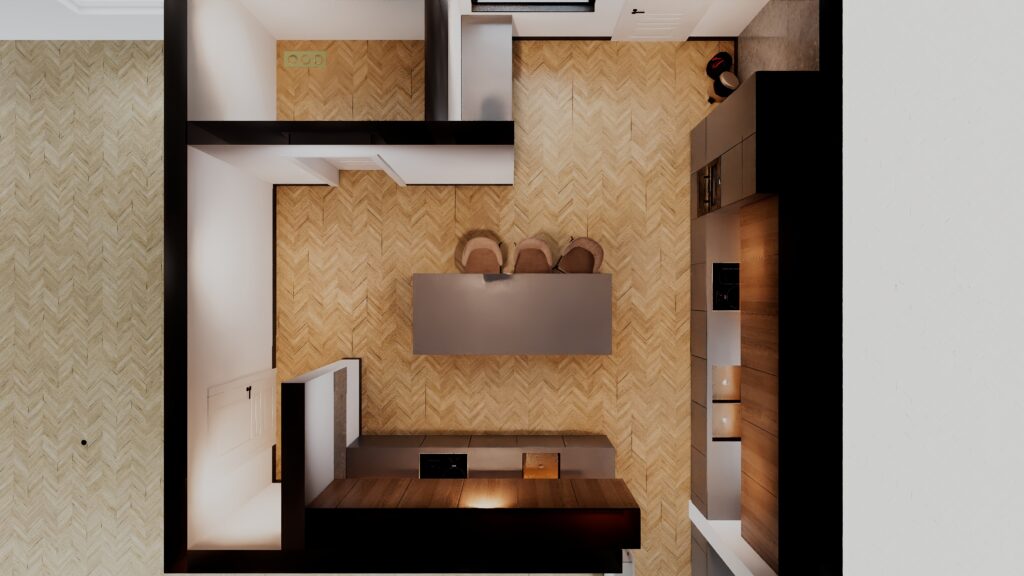
Before anything is placed, we map how you’ll actually live in it. Where you walk, pause, reach, turn, and interact within the space. This is what we call Zones of Movement. That invisible choreography defines everything that comes after.

The Neilz Difference:
We don’t just place a sofa; we calculate the clearance that allows movement to feel natural, not forced. The result is a layout that creates “rooms within rooms,” a single space that can shift from focused work to relaxed dining without tension.

In practice, we’ve seen that simply improving how a space flows can make it feel noticeably larger without adding a single square metre.


Design solution for a small house space

 2. Strategic Multi-Functionality

In a compact space, furniture isn’t decoration. It is real estate.

So, every piece needs a purpose.

We go beyond aesthetics to integrate elements that work harder:

  • Beds with concealed storage
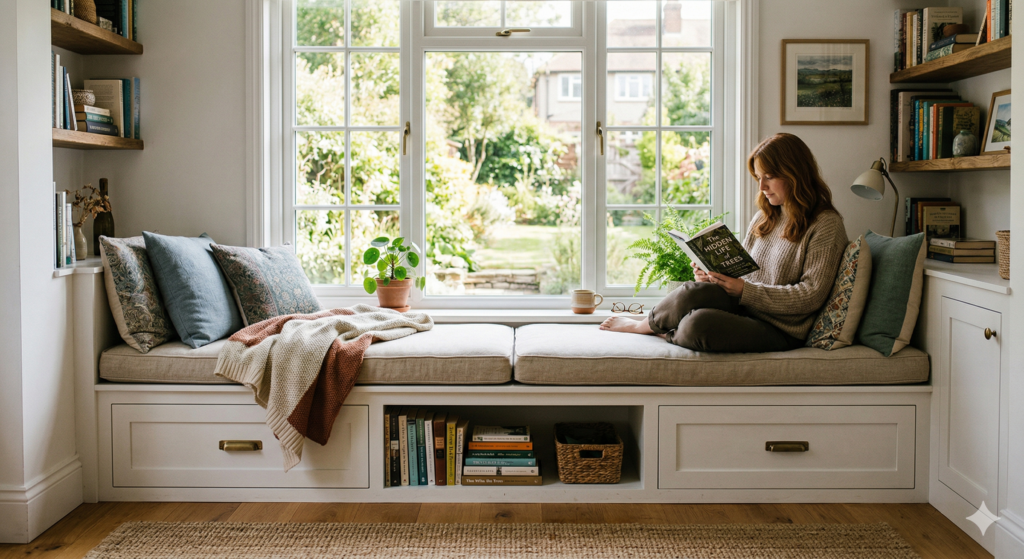
  • Built-in seating that doubles as storage
  • Surfaces that adapt without drawing attention

Our Philosophy:
Multi-functional should not feel temporary or improvised. We design and select pieces that feel permanent. Clean, intentional, and fully integrated.

The goal isn’t to “fit more in.”
It’s to make everything feel like it belongs.

3. Vertical Architecture

When the floor plan is tight, the solution is not compression, it is elevation.

We treat walls as active surfaces:

  • Floating cabinetry
  • Floor-to-ceiling shelving
  • Vertical storage systems

By lifting elements off the floor, we reduce visual weight and open up the space.

And suddenly, the room breathes.

Not because it got bigger.
But because it stopped feeling heavy.

4. Mastering the Invisible Tool: Lighting

Lighting is where most small spaces quietly fail.

One overhead light flattens everything, removing depth and making the room feel more confined than it is.

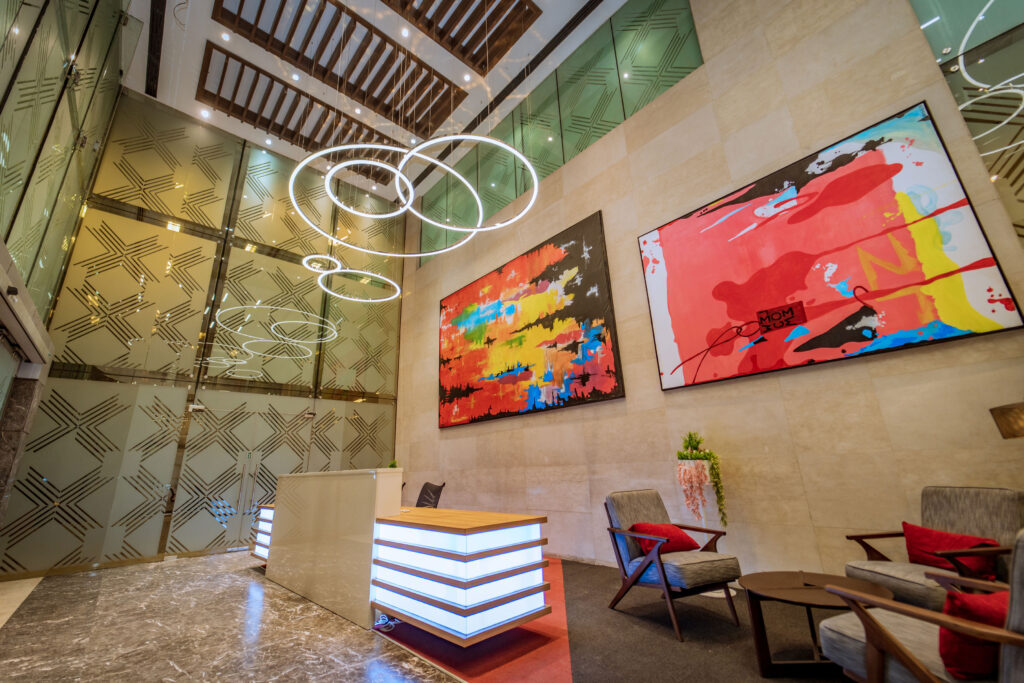
We approach lighting the way we approach structure – layered, deliberate, doing different jobs at once:

  • Ambient – soft, overall illumination
  • Task – focused light where work happens
  • Accent – subtle highlights that create depth and mood

Why it works:
Light shapes perception. When layered correctly, walls recede, corners soften, and the room expands without moving a single wall.

We’ve seen poorly lit spaces transform entirely once lighting is layered properly. What once felt tight begins to feel composed and balanced.


Churchgate reception

5. Intentional Colour Theory

The idea that small spaces must be all white is one of the most limiting myths in design.

While light tones help reflect light, an all-white space often feels flat and unfinished.

We focus on controlled palettes:

  • Light neutrals for continuity
  • Subtle accents for depth
  • Consistent tones to reduce visual clutter

When the eye moves easily across a space, it reads it as larger.

This is not about colour. It’s about cohesion.

6. Integrated, “Invisible” Storage

Storage shouldn’t feel like something added later.

It should feel like part of space itself.

We integrate storage into architecture:

  • Window seating with concealed compartments
  • Recessed niches that replace bulky furniture
  • Built-in wardrobes aligned with the structure

Why it works:
When storage is built in, organising becomes effortless. The space stays clean not because you are constantly managing it, but because it was designed that way.

Clutter is rarely about having too much.
It’s usually about not having a place for things.


Gemini Generated Image ypffppypffppypff 1

7. Optical Expansion Through Reflection

Mirrors are not decorative in small spaces, they are strategic.

Placed carefully, they:

  • Extend sightlines
  • Amplify natural light
  • Create a sense of depth

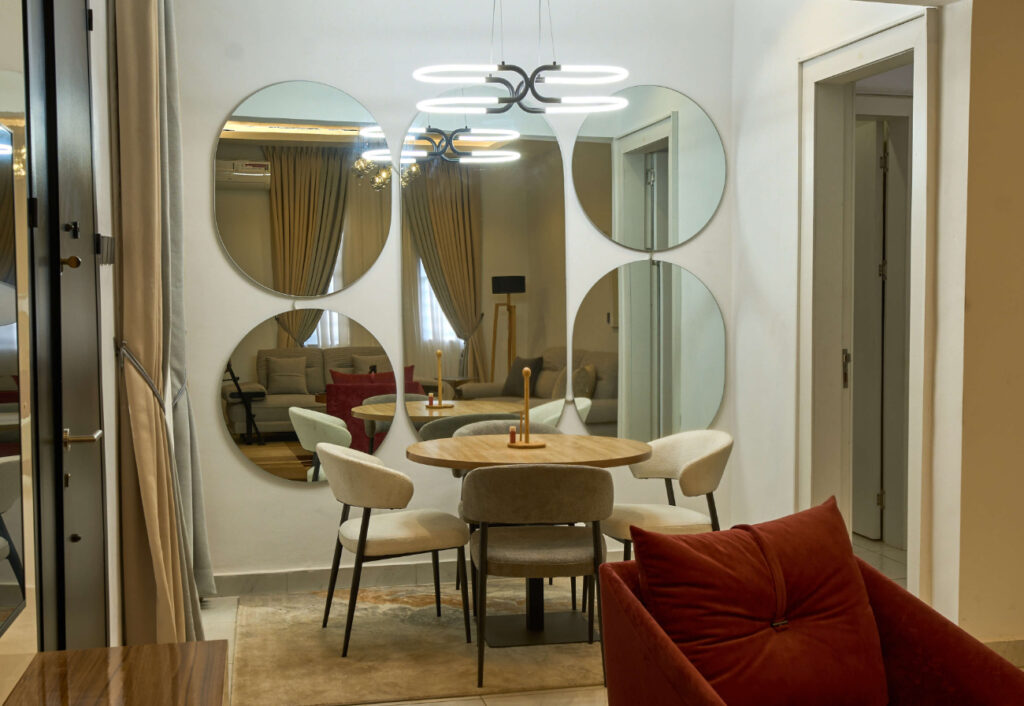
We use reflective surfaces as “windows to nowhere,” positioned opposite light or along tight corridors to open up the space.

It’s subtle. But it works.

Not as a trick. As a recalibration of perception.


web 1

8. Practising “Affective Minimalism”

At Neilz Design Fit-Out, minimalism is not about having less. It is about having the right things.

We call this Affective Minimalism, which is the balance between functionality and personal character. Fewer pieces, better choices, clearer intention.

The result is not emptiness. It is clarity.

And in a small space, clarity makes all the difference.

Final Thoughts: Precision Over Proximity

A small space can feel more refined than a large one when it is designed with intention.

It’s not about squeezing things in.
It’s about understanding how space works.

When every element is considered, even the most compact layout can feel effortless, composed, and complete. 

Ready to See What Your Space Is Truly Capable Of?

If your space still feels tight, cluttered, or underperforming, the issue may not be size.

It may be design.

At Neilz Design Fit-Out, we specialise in turning spatial constraints into design advantages through thoughtful planning, integrated solutions, and precise execution.

Let’s build your sanctuary. Explore our portfolio at neilzdesignfitout.com and email directly at [email protected].

Let’s design a space that finally makes sense.

Leave a Reply

Your email address will not be published. Required fields are marked *