

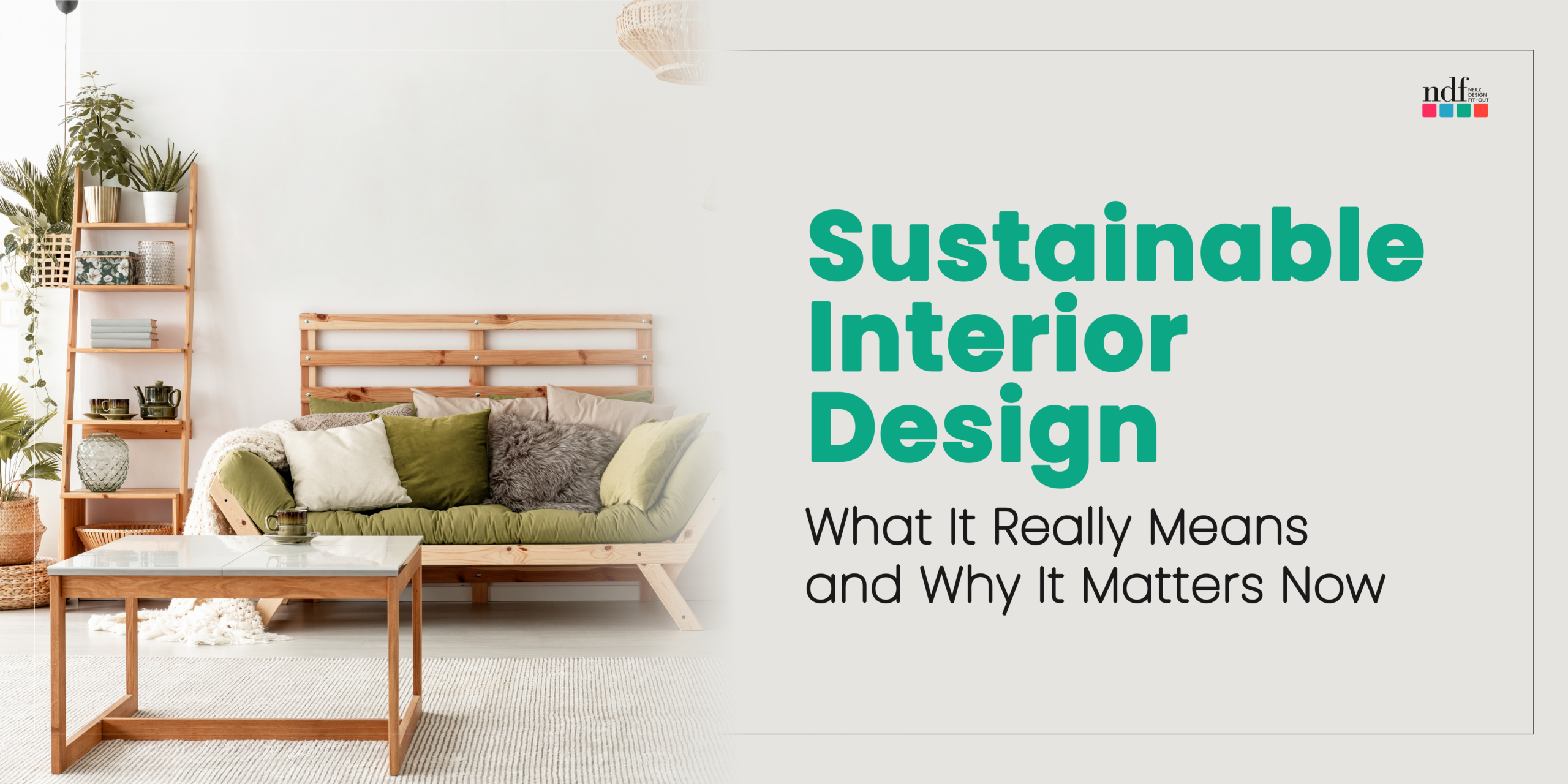
Sustainable Interior Design: What It Really Means and Why It Matters Now
Imagine walking into a room that breathes. The air feels lighter. The colours steady your thoughts. The furniture feels intentional, not just placed. Nothing shouts for attention, yet everything feels considered.
That is the quiet power of sustainable interior design.
It is not about chasing trends or filling a space with greenery for appearances. It is about designing interiors that care—for people, for place, and for what comes next. Spaces that look good, feel better, and age gracefully with time.
In a world moving faster than ever, sustainable design invites us to slow down and think more deliberately.
Why Sustainable Interior Design Is No Longer Optional
By 2025, the global interior design market surpassed USD 200 billion, with sustainable design emerging as one of the fastest-growing segments worldwide. This is not a passing phase. It is a shift in expectation.
In Nigeria, where rapid urbanisation, housing expansion, and commercial development continue to accelerate, sustainability is no longer a “nice-to-have”, It is essential. Rising energy costs, environmental pressure, and a more design-aware generation demand smarter, more responsible interiors.
Sustainable design is no longer about standing out. It is about keeping up.
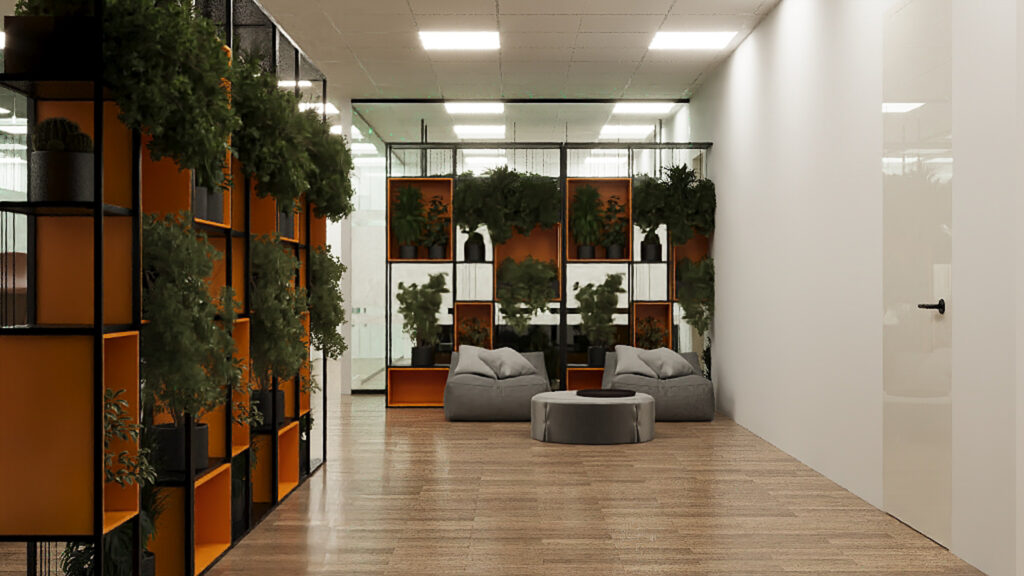
What Does Sustainable Interior Design Really Mean?
At its core, sustainable interior design is about balance.
It brings together beauty, comfort, and environmental responsibility without compromising any one of them. It is designed with intention.
In practice, this means selecting materials, systems, and processes that:
- Reduce waste
- Save energy
- Protect natural resources
- Support physical and mental wellbeing
- Deliver long-term value
It goes far beyond recycled wood or decorative plants. Sustainable design considers lighting, ventilation, sourcing, durability, craftsmanship, and even who produces the materials being used.
In simple terms:
Sustainable interior design considers the planet, the people, and the future—at the same time.
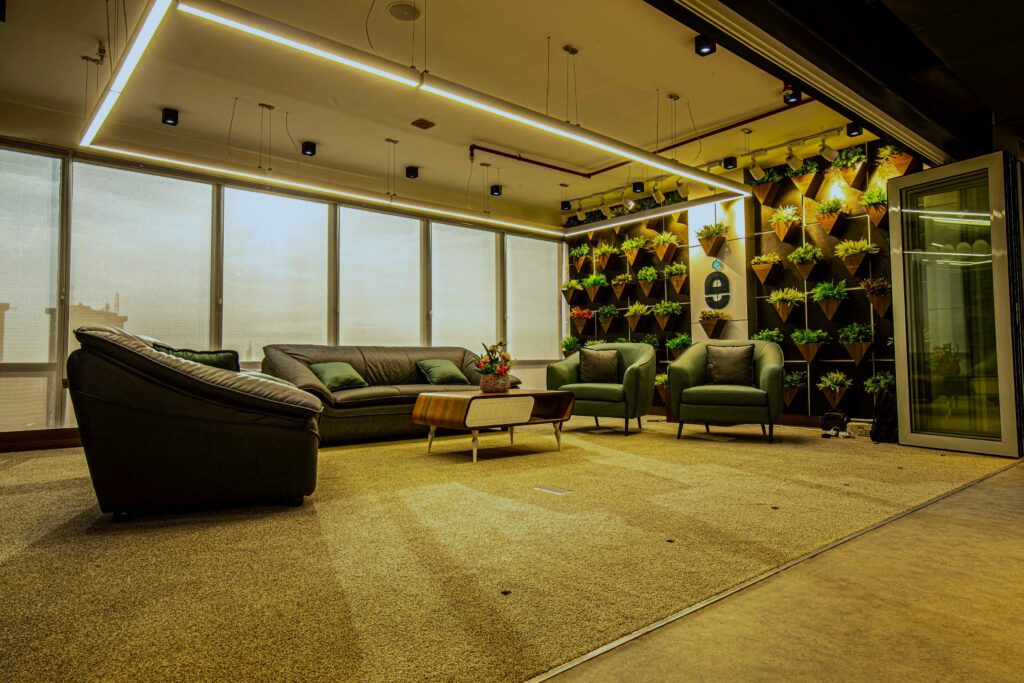
Why It Matters — For You and for the World
- The Environment Needs It
Buildings account for nearly 40% of global energy-related carbon emissions, and interior choices play a major role—from lighting and cooling to material selection.
Sustainable interiors reduce this footprint through:
- Energy-efficient lighting
- Low-impact materials
- Smarter ventilation systems
- Reduced construction waste
In cities like Lagos, Abuja, and Port Harcourt, where development is booming, thoughtful interior design can significantly reduce energy demand and strain on already limited infrastructure.
- Healthier Spaces, Better Living
Many conventional interiors rely heavily on synthetic materials that emit harmful chemicals known as VOCs (volatile organic compounds). Over time, these can contribute to headaches, allergies, respiratory issues, and fatigue.
Sustainable interiors prioritise:
- Low-VOC paints and finishes
- Natural and breathable materials
- Good airflow and natural ventilation
- Access to daylight
The result? Spaces that support clearer thinking, better sleep, and overall wellbeing—at home and at work.
3. Long-Term Cost Savings
Sustainable design may require more thought upfront, but it consistently rewards over time.
Energy-efficient lighting lowers electricity bills. Durable materials reduce replacement costs. Smart systems cut cooling and maintenance expenses.
For commercial spaces—offices, hotels, retail environments—this translates to:
- Lower operational costs
- Improved productivity
- Stronger brand credibility
Sustainability is not an expense. It is an investment.
- Global Standards Are Rising
International benchmarks such as LEED and BREEAM increasingly influence property value, investor confidence, and corporate decision-making.
For businesses operating globally or aspiring to, sustainable interiors are not just ethical—they are competitive.
How to Start Designing Sustainably (Without the Overwhelm)
- Start With Purpose
Before materials or mood boards, ask:
- Who uses this space?
- What activities happen here daily?
- How should the space feel?
- What environmental values matter most?
Purpose guides every good design decision—whether it is a family home in Abuja or a fast-growing workspace in Lagos.
- Choose Materials Thoughtfully
Sustainability often begins with material selection.
Consider options such as:
- Reclaimed or recycled timber
- Natural fibres like cotton, jute, and wool
- Low-VOC paints and finishes
- Eco-certified fabrics
- Locally sourced materials
Local sourcing reduces transport emissions while supporting Nigerian artisans and industries—a win for both environment and economy.
- Make Daylight Work Harder
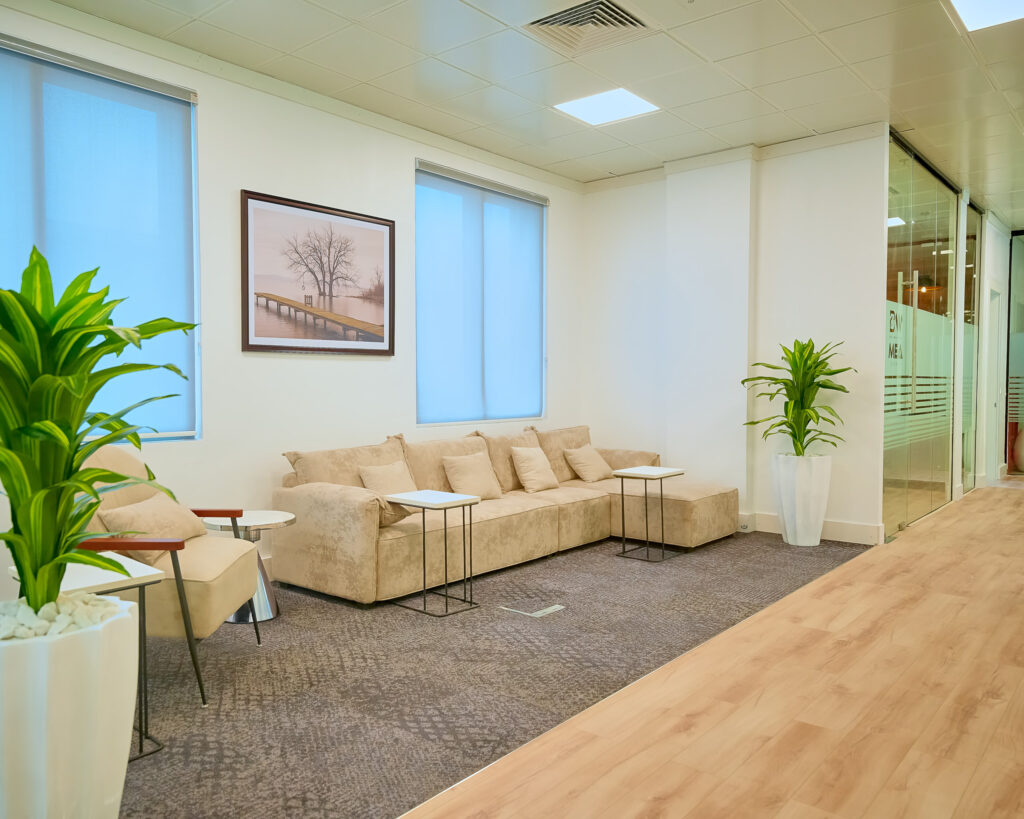
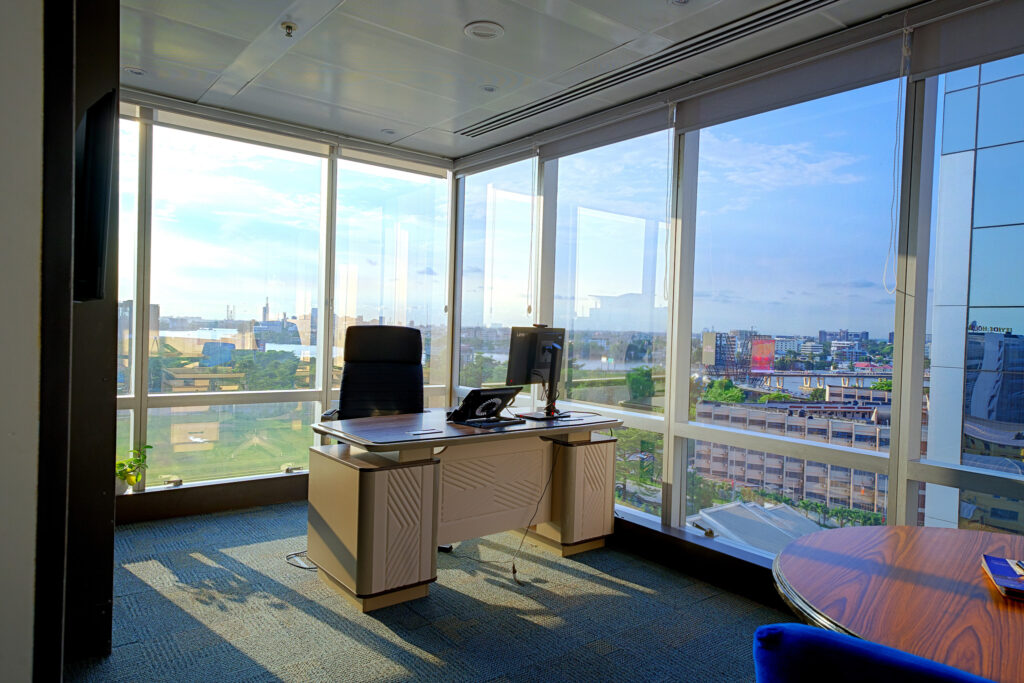
Natural light improves mood, boosts productivity, and reduces energy use.
Design strategies include:
- Larger or well-placed windows
- Light-coloured surfaces
- Strategically positioned mirrors
Daylight is one of the most powerful—and free—design tools available.
4. Design for Longevity
Ask the uncomfortable but necessary question:
Will this still work in five or ten years?
Avoid short-lived trends, fragile finishes, and disposable furniture. Sustainable design favours fewer pieces of higher quality that age well and adapt over time.
- Use Energy-Efficient Technology
LED lighting, smart thermostats, and motion sensors quietly reduce waste while improving comfort.
In offices, this means:
- Lower energy bills
- Reduced maintenance
- Better employee experience
Technology, when used intentionally, supports sustainability rather than complicating it.
Sustainable Design Across Different Spaces
Residential Interiors
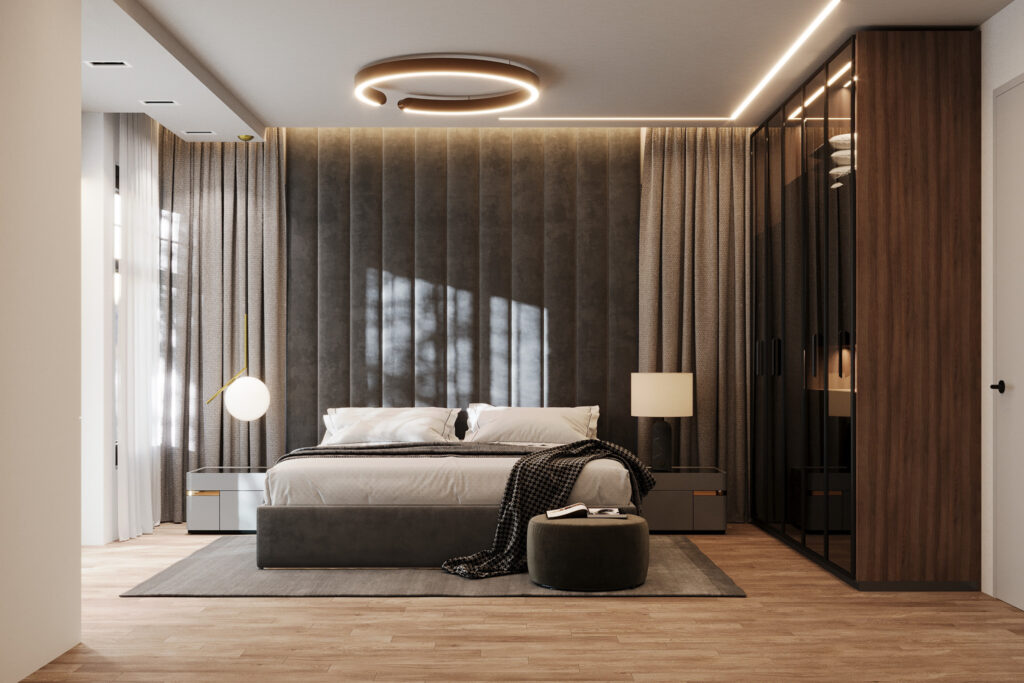
Sustainable homes prioritise comfort, health, and flexibility.
Key considerations include:
- Clean indoor air
- Non-toxic finishes
- Cross-ventilation
- Multi-functional spaces
Simple ideas—like reusing timber doors or choosing adaptable furniture—can make a significant difference.
Commercial Interiors
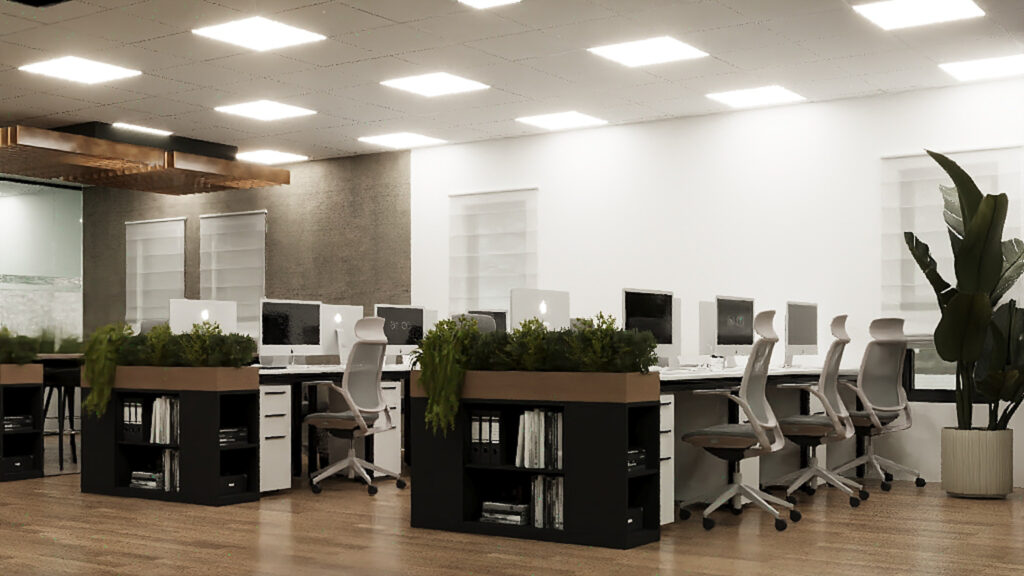
Commercial spaces demand durability and efficiency.
Sustainable commercial design focuses on:
- Reducing energy consumption
- Improving productivity
- Creating inclusive environments
- Lowering operational costs
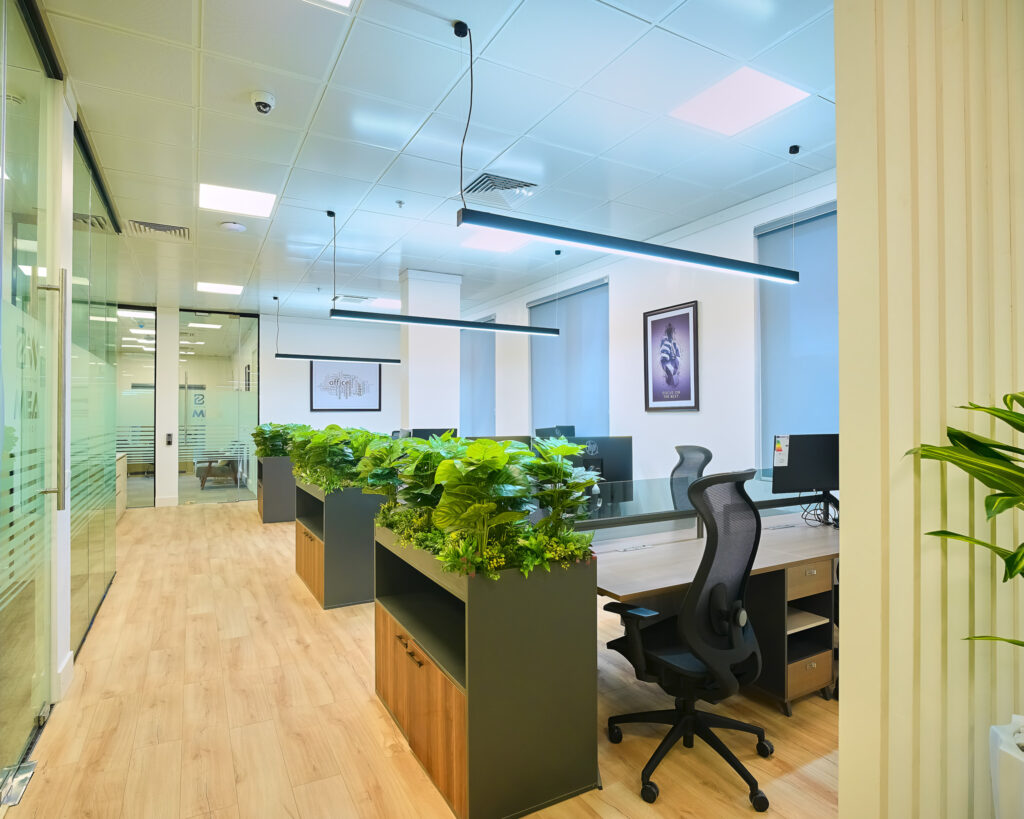
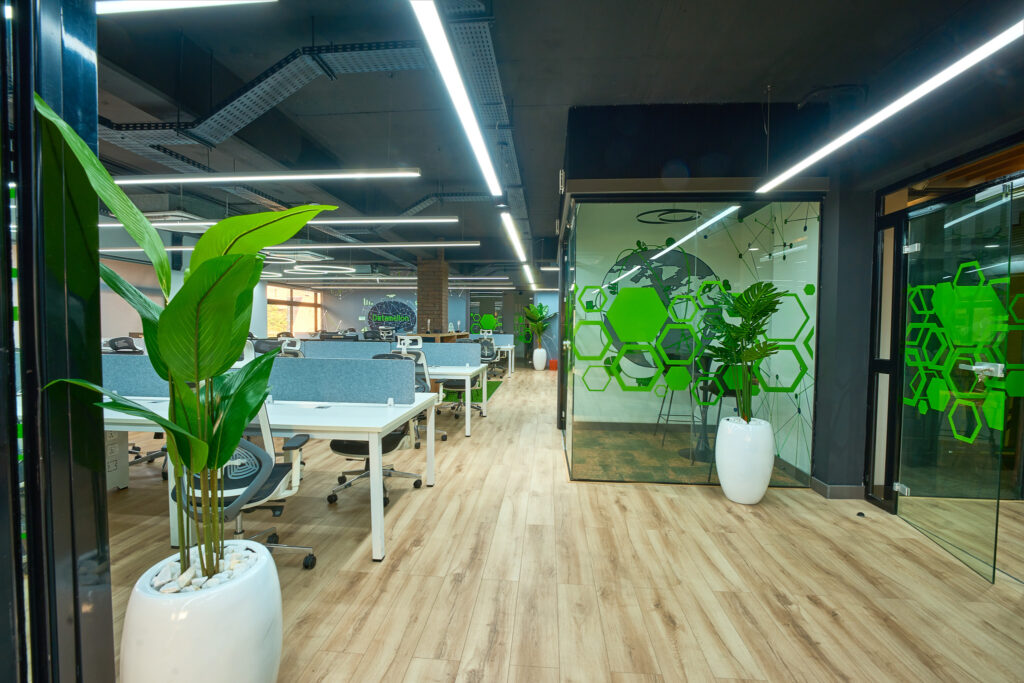
Thoughtful placement of workstations, ergonomic furniture, and greenery can transform both performance and perception.
Where Sustainable Design Is Heading
The future of sustainable interiors is both exciting and deeply human:
- Biophilic design – integrating nature into everyday spaces
- Circular design – reusing and repurposing materials instead of discarding them
- Smart environments – spaces that respond intelligently to how people use them
- Human-centred design – prioritising wellbeing, accessibility, and mental health
Sustainability is becoming less about sacrifice and more about smarter living.
Beyond Design: How Sustainability Impacts Society
Sustainable interiors contribute to:
- Climate action through reduced energy demand
- Job creation for local craftsmen and material innovators
- Healthier communities with cleaner indoor air
- Economic growth through reduced long-term costs
Design, when done responsibly, becomes a tool for societal progress.
Final Thoughts: Design With Purpose
Sustainable interior design is not about perfection. It is about intention.
It is choosing better where possible, smarter where necessary, and always thinking beyond the present moment.
Whether you are a homeowner, business leader, or creative professional, sustainable design offers the opportunity to create spaces that are not only beautiful—but meaningful, healthy, and future-ready.
And that, ultimately, is good design.
Thinking About a More Sustainable Design-Build Project?
Whether you are planning a residential renovation, a commercial fit-out, or a future-ready workspace, Neilz Design Fit-Out works with clients to create interiors that balance performance, wellbeing, and longevity.
To start a conversation, email us at [email protected]
We believe good design begins with the right questions — and the right partners.

Leave a Reply